Inventory management has always been a balancing act. Order too much, and capital sits idle on warehouse shelves. Order too little, and stockouts lead to lost sales and frustrated customers. As supply chains become more complex and customer expectations continue to rise, businesses are increasingly turning to artificial intelligence (AI) to make inventory decisions faster and more accurately.
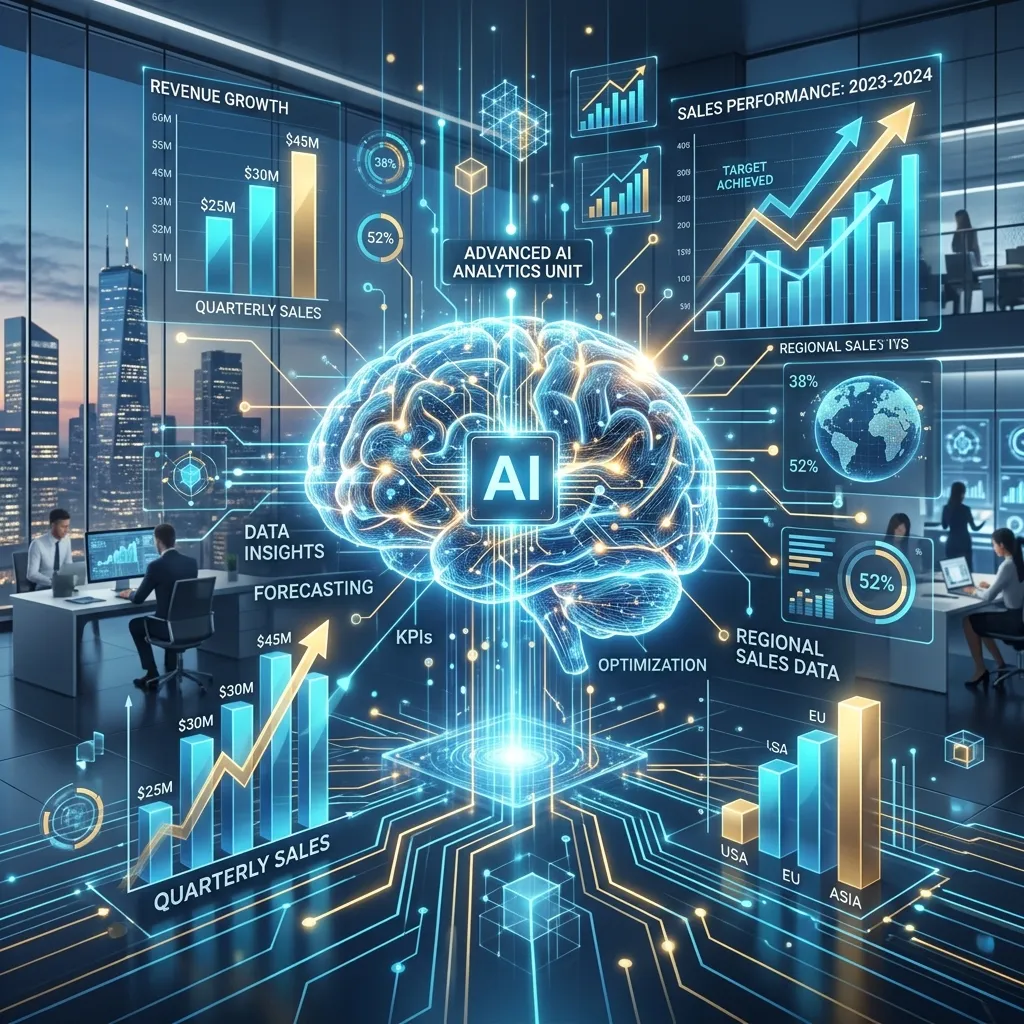
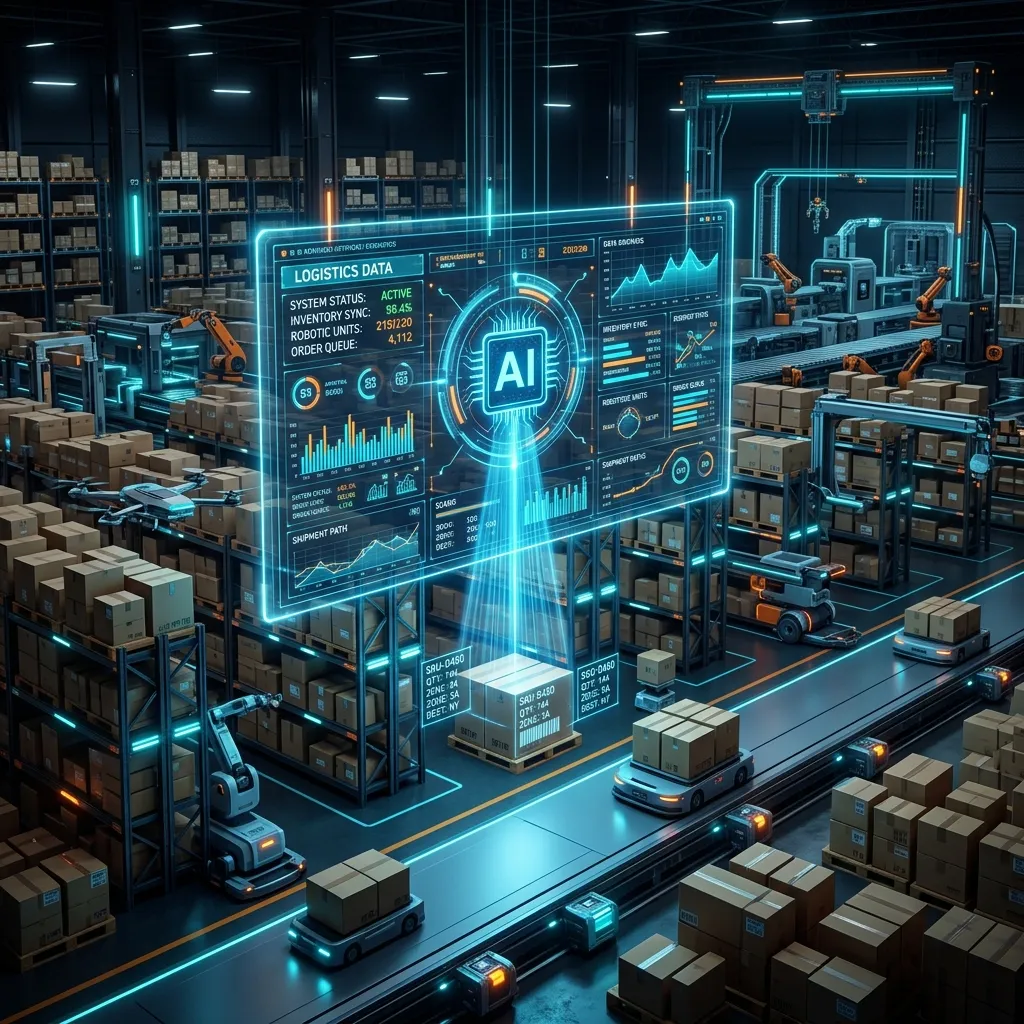
Modern AI inventory management systems do far more than count products. They analyze historical sales, identify demand patterns, forecast future inventory needs, detect anomalies, recommend replenishment schedules, and provide real-time insights across multiple warehouses and sales channels.
While AI doesn’t eliminate the need for human oversight, it gives businesses a powerful decision-support system that can reduce waste, improve forecasting, and streamline operations.
- 1What Is an AI Inventory Management System?
- 2How AI Improves Inventory Management
- Demand Forecasting
- Automated Replenishment
- Inventory Optimization
- Multi-Warehouse Visibility
- Exception Detection
- 3Benefits of AI Inventory Management
- 4Industries That Benefit Most
- 5Popular AI Inventory Platforms
- 6Implementing AI Successfully
- 7Common Challenges
- 8Security and Privacy
- 9Best Practices
- 10Frequently Asked Questions
What Is an AI Inventory Management System?
An AI inventory management system combines traditional inventory software with machine learning and predictive analytics. Instead of relying solely on fixed reorder points or manual forecasting, these systems continuously analyze data and adapt recommendations as business conditions change.
Typical data sources include:
- Historical sales
- Purchase orders
- Supplier lead times
- Warehouse stock levels
- Seasonal demand
- Promotions
- Returns
- Customer purchasing behavior
The objective is simple: ensure products are available when customers need them while minimizing excess inventory.
How AI Improves Inventory Management
Unlike traditional inventory software that mainly records transactions, AI helps businesses make better decisions.
Key capabilities include:
Demand Forecasting
AI identifies trends that manual spreadsheets often miss. It can account for seasonality, holidays, marketing campaigns, regional buying patterns, and historical performance to generate more accurate forecasts.
Automated Replenishment
Instead of using static reorder thresholds, AI can recommend purchase quantities based on current demand, supplier lead times, and projected sales.
Inventory Optimization
Businesses often carry products that rarely sell. AI identifies slow-moving inventory, helping reduce storage costs and free working capital.
Multi-Warehouse Visibility
Companies operating multiple fulfillment centers can use AI to recommend stock transfers between locations to reduce shipping times and prevent localized stock shortages.
Exception Detection
Unexpected sales spikes, supplier delays, or unusual inventory movements can trigger alerts before they become major operational problems.
Benefits of AI Inventory Management
Organizations adopting AI-supported inventory planning often experience:
| Benefit | Business Impact |
|---|---|
| Better demand forecasting | Fewer stockouts and overstocks |
| Improved purchasing decisions | Reduced excess inventory |
| Faster planning | Less manual spreadsheet work |
| Real-time visibility | Better operational decisions |
| Lower carrying costs | Improved cash flow |
| Increased customer satisfaction | Better product availability |
The exact results depend on data quality, implementation, and business processes rather than AI alone.
Industries That Benefit Most
AI inventory systems are useful across many sectors, including:
- Retail
- E-commerce
- Manufacturing
- Wholesale distribution
- Healthcare
- Automotive parts
- Food and beverage
- Consumer electronics
- Fashion and apparel
Businesses with large product catalogs or fluctuating demand typically see the greatest value.
Popular AI Inventory Platforms
Several established inventory and enterprise software providers now include AI-driven forecasting and planning capabilities. Examples include inventory features offered within platforms from companies such as Oracle, SAP, Microsoft, IBM, and cloud-based inventory solutions like Cin7, NetSuite, Zoho Inventory, and Katana Cloud Inventory. Available AI features vary by product edition and subscription, so businesses should review current vendor documentation before purchasing.
When evaluating software, compare:
- Forecasting accuracy
- ERP integration
- Accounting integration
- Warehouse management features
- Barcode support
- Multi-location inventory
- Reporting dashboards
- API availability
- User permissions
- Total cost of ownership
Choosing software based solely on AI features can lead to poor long-term results if the broader inventory workflow isn’t a good fit.
Implementing AI Successfully
Successful implementations usually begin with clean, reliable data.
A practical rollout includes:
- Audit existing inventory records.
- Standardize product information.
- Remove duplicate SKUs.
- Verify supplier lead times.
- Integrate sales channels.
- Train employees.
- Monitor AI recommendations.
- Adjust forecasting parameters as needed.
Businesses should avoid fully automating purchasing decisions during the initial deployment. Human review helps identify unrealistic recommendations while the system learns from historical data.
Common Challenges
AI inventory systems are not perfect.
Some common limitations include:
- Poor-quality historical data
- Inaccurate product records
- Changing supplier performance
- Sudden market disruptions
- Limited training data for new products
- Integration complexity
- Employee resistance to new workflows
AI recommendations are only as reliable as the data provided.
Security and Privacy
Inventory platforms often connect with accounting systems, e-commerce platforms, supplier portals, and warehouse software.
Before adopting an AI solution, businesses should evaluate:
- Data encryption
- User access controls
- Audit logs
- Compliance requirements
- Backup and disaster recovery
- Vendor security practices
Organizations handling regulated data should ensure any implementation aligns with applicable legal and industry requirements.
Best Practices
Businesses achieve the best results when they:
- Maintain accurate inventory records.
- Review forecasts regularly.
- Track supplier performance.
- Monitor forecast accuracy.
- Train employees on AI recommendations.
- Combine AI insights with business knowledge.
- Continuously improve data quality.
AI should support operational decisions, not replace experienced inventory planners.
Frequently Asked Questions
Can AI completely automate inventory management?
No. AI can automate forecasting and recommendations, but human oversight remains important, especially for strategic purchasing and exception handling.
Is AI suitable for small businesses?
Yes. Many cloud-based inventory platforms now offer AI-assisted forecasting for small and medium-sized businesses, though feature availability varies by provider.
Does AI reduce inventory costs?
It can help reduce carrying costs and stockouts by improving forecasting accuracy, but outcomes depend on implementation quality and data accuracy.
How long does implementation take?
Implementation timelines vary widely based on business size, system complexity, integrations, and data preparation. Small deployments may take weeks, while enterprise rollouts can take several months.